
Visitors Center
375 Meeting StreetA useful first stop for getting oriented, planning a tour, or deciding how to spend an open afternoon.
Take the long way
Charleston rewards wandering. Start nearby, follow the water, and give yourself enough time for the garden gates and side streets.
A useful first stop for getting oriented, planning a tour, or deciding how to spend an open afternoon.

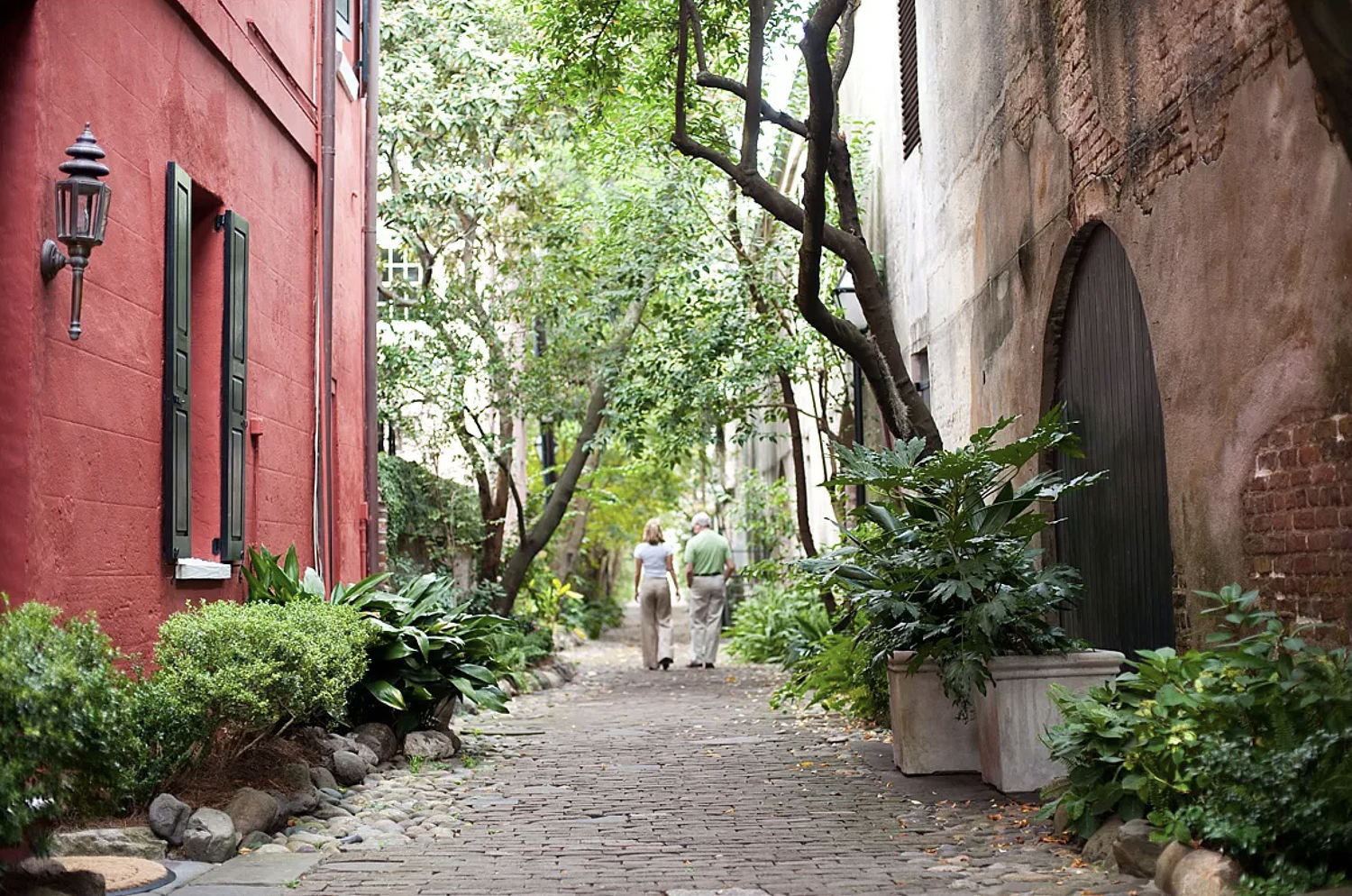
Find Stoll’s Alley, Longitude Lane, Bedon’s Alley, Philadelphia Alley, and the quiet passages scattered around the historic district.
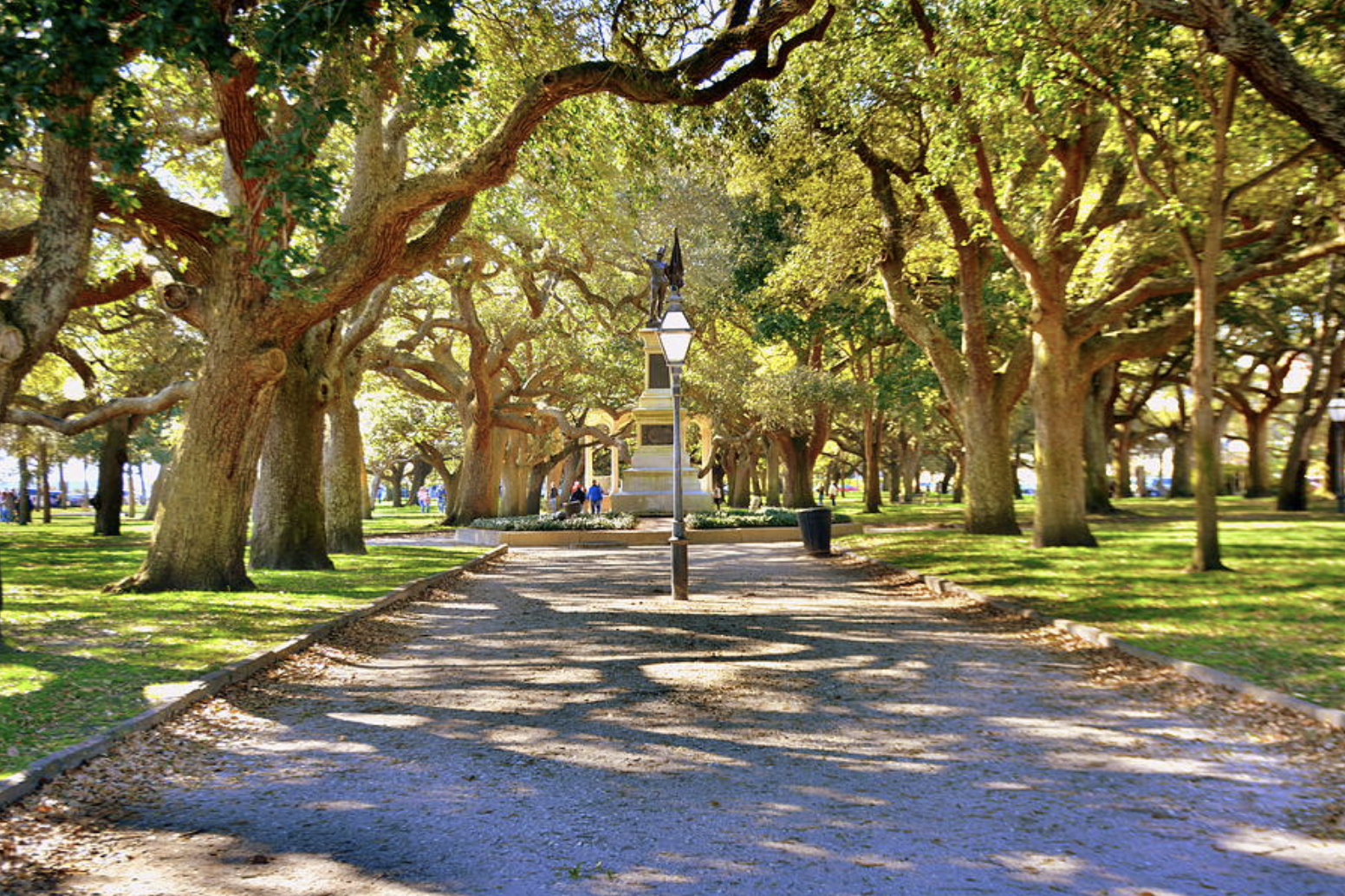
At the southern tip of the peninsula: oak trees, a gazebo, harbor air, and a waterfront walk with real sense of place.
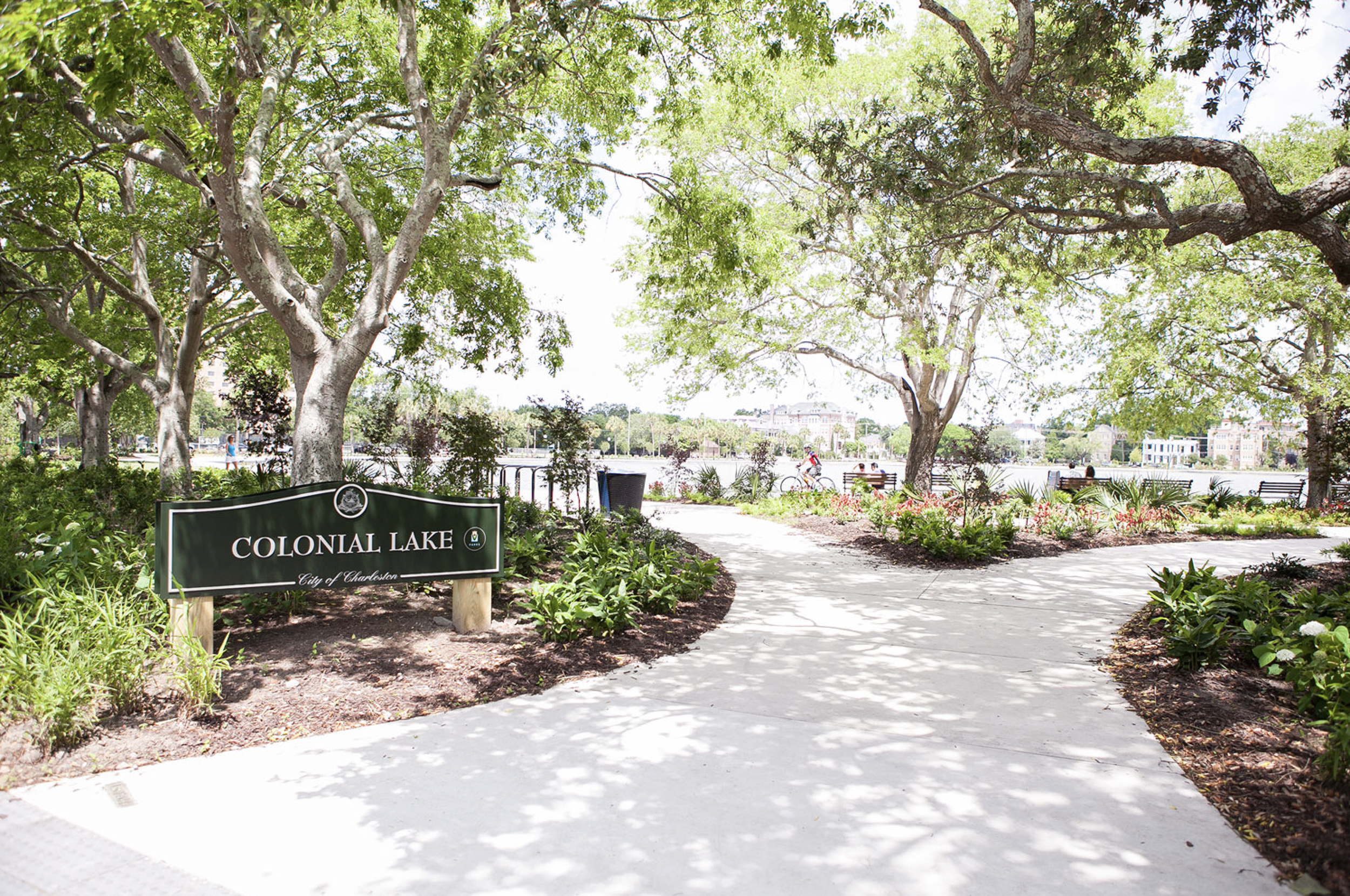
An unexpected city lake ringed by a smooth walking path, gardens, and a relaxed local rhythm.

Two extraordinary ways to encounter the Lowcountry’s landscape and layered history. Check opening details before you go.

The boat ride is part of the experience, followed by a concise and powerful piece of American history.
Lower Church, Murray Boulevard, Logan, Upper Queen, Gibbes, Legare, Lower King, Orange, and eastern Tradd are all worth seeking out.

Near Waterfront Park, with an ocean tank, sharks, and the sea-turtle care center.
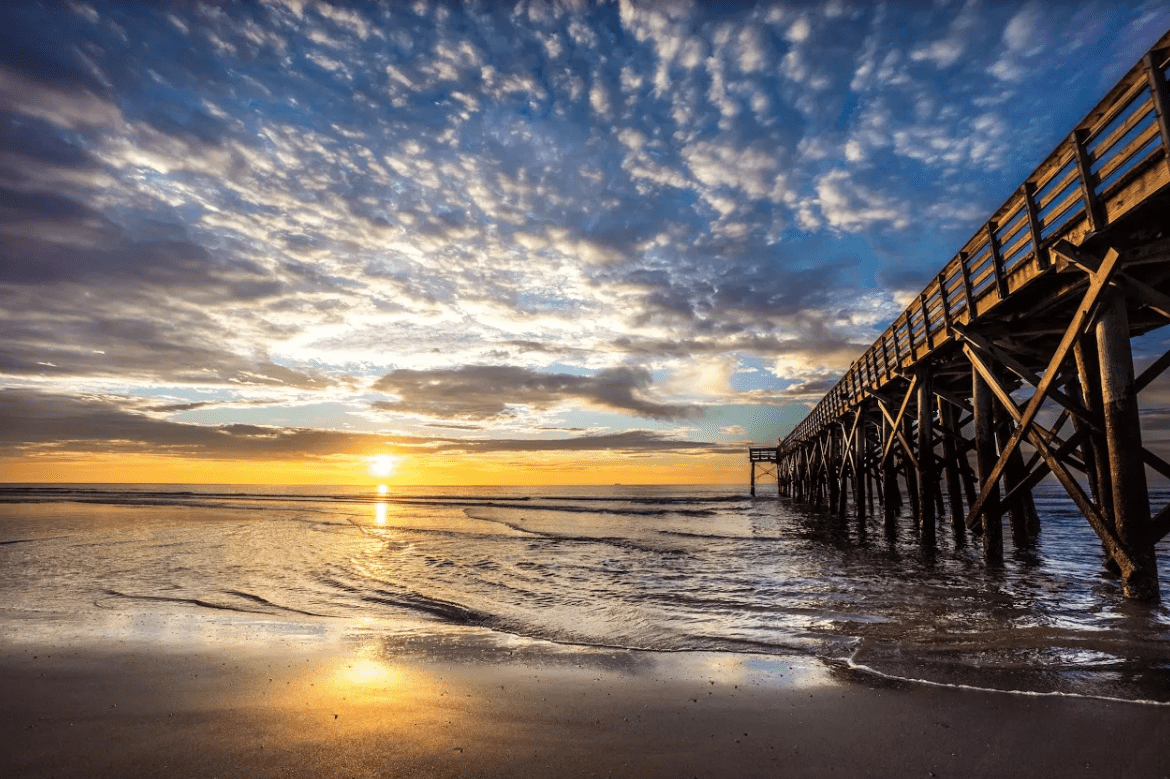
Follow Lower East Bay as it becomes Murray Boulevard for long harbor views.
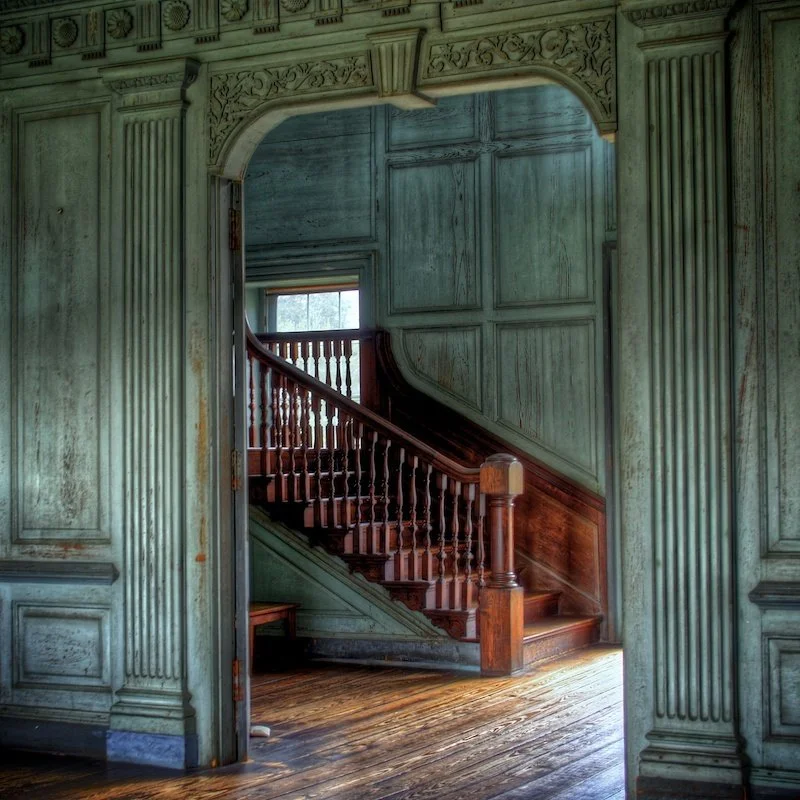
Magnificent gardens and a National Historic Landmark landscape—best treated as an unhurried half-day trip.
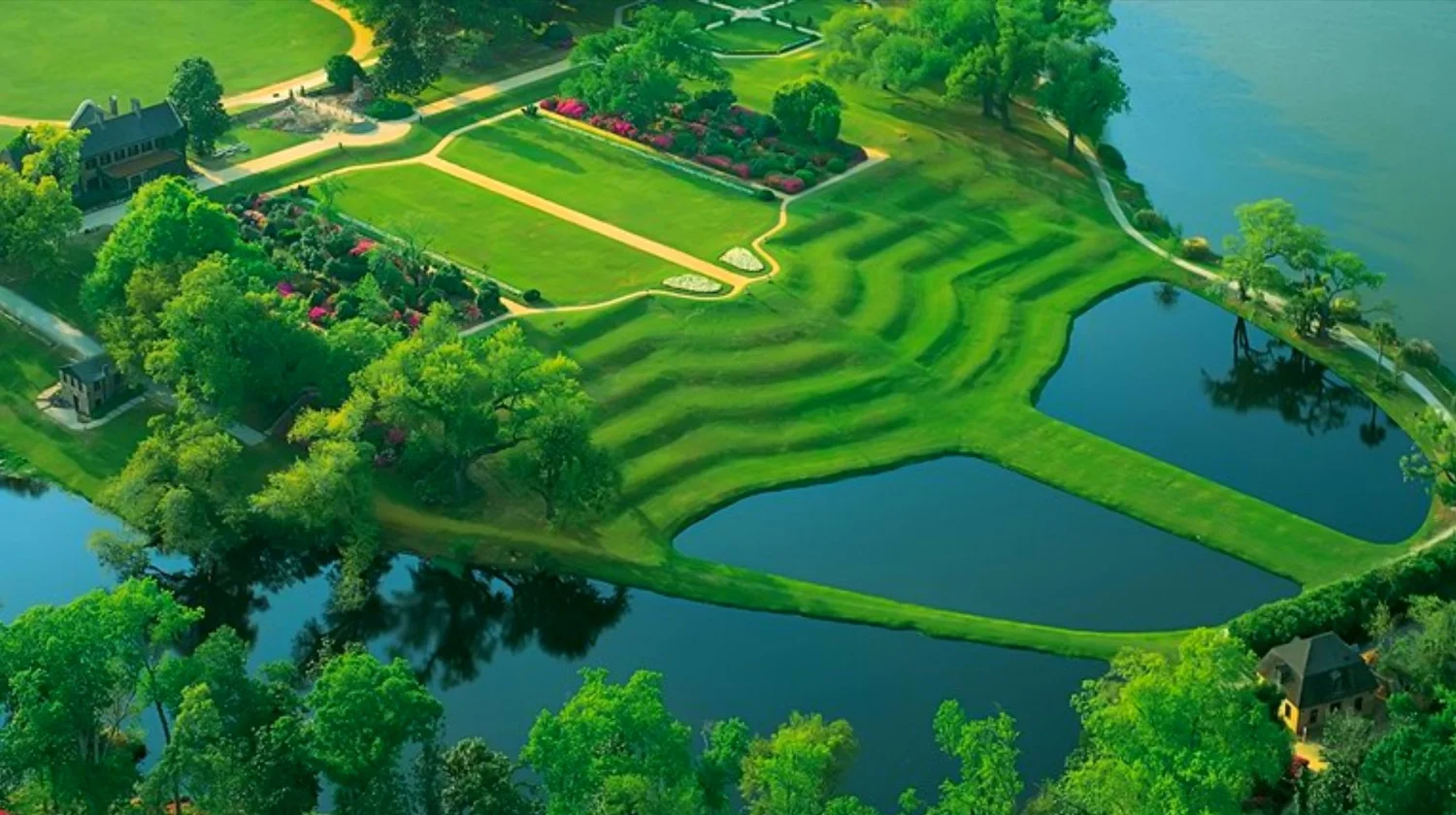
An exceptional example of Palladian architecture and one of the Lowcountry’s most important historic sites.

Known for its avenue of oaks, gardens, and history-focused tours.
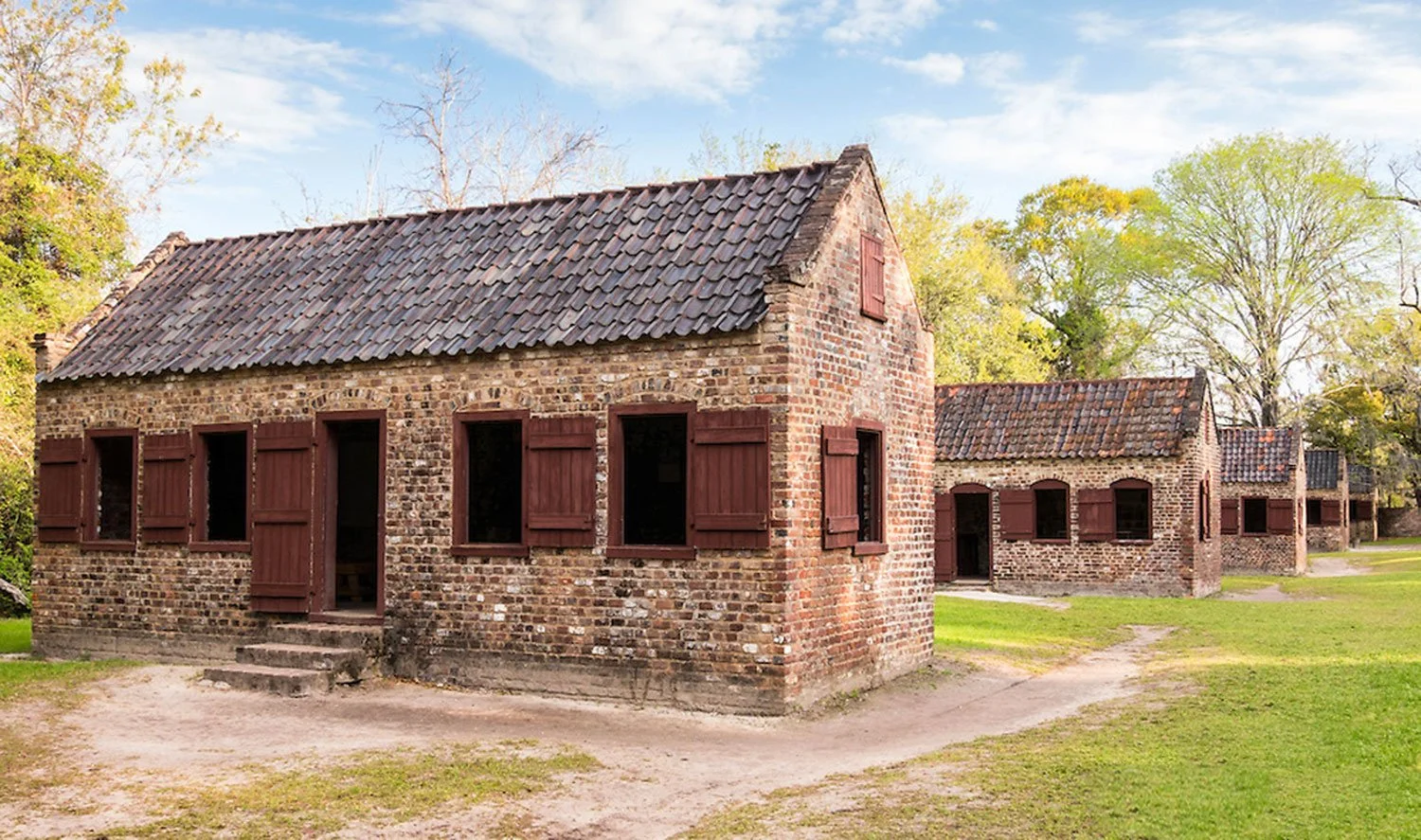
A state historic site at the 1670 settlement location, with marsh views and generous room to wander.
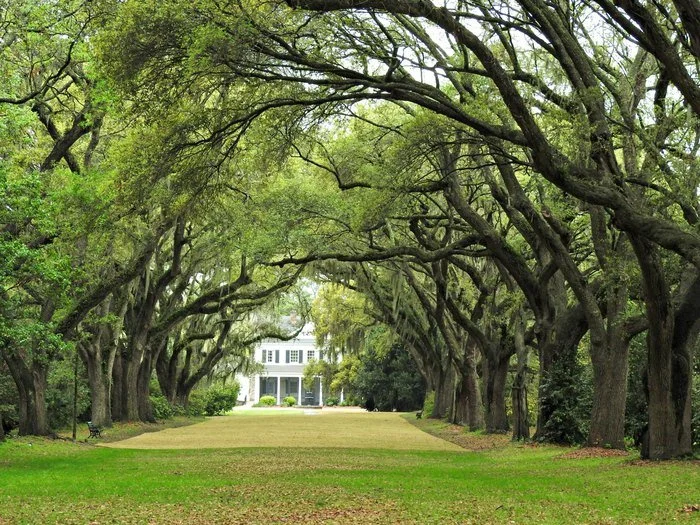
Historic gardens, wetlands, and a wider Lowcountry landscape to explore beyond the peninsula.

Shaded swings, broad harbor views, and Charleston’s most recognizable fountain.
Pick up the reconstructed Low Battery seawall beside the Coast Guard facility, then walk south along the harbor.

The pastel historic houses on East Bay are an easy stop between the French Quarter and the waterfront.